Communal Area Cleaning in SW17
If you manage, live in, or maintain a shared building in SW17, keeping the common parts clean is about more than appearances. Hallways, stairwells, entrance lobbies, lift areas, bin stores, and shared touchpoints all play a role in how a property feels day to day. A reliable communal area cleaning in SW17 service helps create a better environment for residents, visitors, tenants, and staff while reducing the build-up of dirt, dust, litter, and odours in places that see regular foot traffic.
In busy parts of SW17, shared spaces can become untidy quickly. Flats above shops, mansion blocks, converted houses, purpose-built apartment buildings, mixed-use developments, and managed estates all need a cleaning routine that suits the way the property is used. A local service is especially useful because it understands the practical side of working in and around Streatham, Tooting, Balham borders, Mitcham Lane, the areas near the station, and the many residential roads where access and parking can be tight. Communal area cleaning SW17 should feel straightforward, dependable, and designed around the real needs of local buildings.
Whether your building needs regular upkeep or an initial deep clean to bring shared areas back under control, the right cleaning plan makes a noticeable difference. This page explains what communal cleaning typically includes, how it works, what affects the price, and why local customers in SW17 often prefer a team that knows the area and the variety of properties found here.
Why communal cleaning matters in SW17

Shared areas are the first thing people see when they enter a building. They can influence the impression of the whole property, especially in blocks where many households rely on the same entrance, stairs, and landings. When communal areas are neglected, small issues add up: fingerprints on glass, muddy footprints after rain, dust in corners, refuse smells from bin cupboards, and scuffed marks on paintwork or doors. These may sound minor, but in shared living environments they affect comfort, hygiene, and resident satisfaction.
In SW17, many buildings experience regular movement throughout the day. Residents go out early, deliveries arrive during working hours, and visitors may come and go in the evening. This means floors, handrails, letterboxes, communal mats, and entry systems can all collect grime quickly. A professional routine for communal area cleaning SW17 helps maintain a safer and more pleasant environment, especially during wet weather when outside dirt is carried in on shoes and pushchairs.
For landlords, property managers, resident associations, and housing operators, consistent cleaning can also support better upkeep of the building overall. Clean shared areas make it easier to spot maintenance issues such as leaks, loose fittings, damaged flooring, or pest risks. That makes regular communal cleaning a practical part of building care, not just a cosmetic extra.
What our communal area cleaning service can include
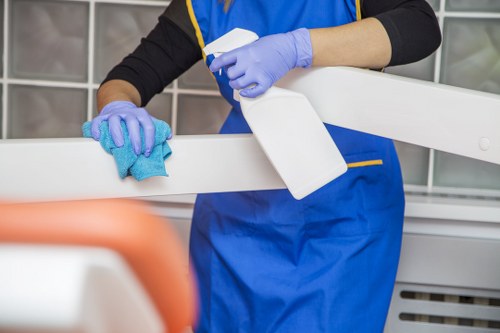
Every building is different, so the service should be flexible. Some properties need light, frequent cleaning to keep on top of everyday dirt. Others need more thorough attention because they have multiple floors, larger entrance halls, heavy resident traffic, or shared facilities like bin areas and cycle storage. A proper shared-area cleaning plan should be tailored to the building rather than copied from a standard checklist.
Typical tasks for communal area cleaning in SW17 may include:
- Cleaning entrance halls, lobbies, and reception-style areas
- Vacuuming or sweeping staircases, corridors, and landings
- Mopping hard floors and spot-treating spills
- Wiping skirting boards, handrails, doors, and push plates
- Cleaning internal glass, mirrors, and low-level windows where accessible
- Dusting ledges, pipework, light fittings, and reachable surfaces
- Emptying internal litter bins where part of the agreed service
- Cleaning bin stores, refuse points, and recycling areas
- Removing cobwebs, marks, and surface dirt from corners and entrances
- Paying attention to lift surrounds and common touchpoints
Some buildings may also need occasional deep cleaning for areas that gather stubborn dirt over time. This can be helpful after refurbishment, during a change of tenants, or when a block needs a reset before normal routines begin again. A good provider will discuss the exact condition of the property and recommend a sensible schedule, rather than offering a one-size-fits-all approach.
Local knowledge matters in SW17

Choosing a local team for communal cleaning in SW17 offers practical advantages. This part of South London includes a wide mix of property styles and access conditions. Some blocks are set back from the road with shared gates or narrow walkways. Others have limited on-street parking, controlled access, or timed entry arrangements. A cleaner familiar with the area is more likely to arrive prepared for those conditions and plan the visit efficiently.
Local familiarity is also useful because different buildings in the area have different needs. A small converted house near a busy residential road may need a focused weekly clean of stairs and entrances, while a larger apartment block may need several visits a week to keep communal spaces presentable. Buildings near transport links or busier routes may also see more dust and footfall, so the cleaning plan has to match the environment.
For customers managing shared spaces in SW17, a local service means easier communication, more practical scheduling, and a better understanding of the day-to-day issues that affect residents. This can be especially helpful for blocks with limited parking, narrow stairwells, multiple entry points, shared bin compounds, and busy landlord or managing-agent requirements. In short, local experience helps make the service smoother for everyone involved.
Common property types we clean in SW17

SW17 is home to a broad mix of buildings, which is one reason communal cleaning has to be adaptable. A cleaning plan that works for a modern apartment complex may not suit a period conversion or a mixed-use building with shops below and flats above. The service should reflect how the property is used and how many people rely on the shared areas every day.
We regularly support customers responsible for:
- Apartment blocks and purpose-built flats
- Converted Victorian and Edwardian houses
- Maisonettes and shared stairwell properties
- Managed estates and housing developments
- Blocks with lift access and lobby areas
- Mixed-use buildings with residential common parts
- HMO-style properties with shared internal circulation spaces
- Retirement or specialist housing with carefully maintained common areas
Each type of building benefits from a slightly different approach. For example, period properties often need careful attention around timber handrails, older paintwork, and tighter staircases, while modern developments may require more focus on glass panels, lift areas, and polished finishes. A thoughtful SW17 communal area cleaning plan should always take the building’s layout, materials, and usage into account.
How the cleaning process works

Most customers want a service that is easy to set up and simple to manage. The process typically begins with a discussion about the property, the size of the communal spaces, how often they are used, and what level of cleaning is needed. From there, a suitable schedule can be arranged so the work fits around residents and building management.
A typical service process may look like this:
- Initial assessment – The cleaning requirements, access arrangements, and key areas are reviewed.
- Task planning – A suitable cleaning frequency and scope are agreed for the building.
- Scheduled visits – Cleaning is carried out at times that suit the property and its users.
- Detailed attention – Floors, surfaces, entrances, and shared touchpoints are cleaned methodically.
- Ongoing upkeep – The schedule is reviewed if the building’s needs change over time.
Good communication is essential in shared buildings. Residents need to know when cleaning happens, which areas are included, and what is expected of them, such as moving personal items from communal spaces where necessary. For managing agents and landlords, regular service also means less time spent chasing basic upkeep issues and more confidence that the building is being looked after properly.
What a good communal cleaning visit should achieve
The aim is not simply to make a space look tidy for a moment. Proper communal area cleaning should leave the building feeling cared for, easier to navigate, and more comfortable for daily use. That means removing the visible dirt residents notice immediately, but also reducing the hidden build-up that causes long-term problems.
After a well-run visit, you should expect shared spaces to feel:
- Cleaner underfoot, with less dust and debris
- More welcoming in entrance halls and lobbies
- Better maintained on stairs, landings, and corridors
- Less affected by marks on doors, glass, and handrails
- More hygienic in bin stores and other high-use zones
- Less likely to develop odours or visible grime build-up
In practical terms, this can improve the day-to-day experience for everyone in the building. Residents notice it when they come home. Visitors notice it when they enter. And property managers notice it when a building feels easier to keep in order. That is why communal area cleaning in SW17 is often seen as an essential part of managing a property well.
Why regular cleaning schedules are usually the best option
Shared spaces work best when they are maintained consistently. A one-off clean can be useful for a specific problem, but a recurring schedule is usually the most effective way to manage communal areas in a busy residential setting. Regular visits stop dirt from building up and help the property stay presentable between cleans.
Depending on the building, a schedule might be weekly, twice weekly, or more frequent. The right frequency depends on footfall, resident numbers, weather exposure, flooring type, and whether the building includes extra shared areas like lift lobbies, bin stores, or internal corridors. Busy properties near main routes or around well-used local connections may need a higher level of attention than quieter side streets.
Regular communal cleaning also supports better predictability for residents. When people know the building is cleaned on a routine basis, they are more likely to keep shared areas tidy themselves. That creates a better cycle of upkeep, especially in blocks where everyone shares responsibility for common parts.
Preparing for a communal area cleaning service
Although the cleaning team does the hard work, a small amount of preparation can make the visit more effective. In shared buildings, the main aim is to make sure cleaners can work safely, access the agreed areas, and focus on the tasks that matter most.
Before your service starts, it helps to check the following:
- Keys, codes, fobs, or access arrangements are available and up to date
- Parking or loading instructions are clear if relevant
- Residents know when cleaning will take place
- Personal items, bikes, prams, or shoes are not blocking agreed cleaning zones
- Any specific problem areas are highlighted in advance
- Special instructions for flooring, surfaces, or sensitive fixtures are shared
Clear access and clear expectations save time and improve results. If a building has narrow stairs, security doors, or tightly managed entry points, letting the cleaning team know in advance helps avoid delays. This is particularly useful in SW17, where property access can vary considerably from one street or building type to another.
Pricing factors for communal area cleaning in SW17
Customers often want to know what affects the cost of a communal cleaning service. Because no two buildings are identical, prices are usually shaped by several practical factors rather than a standard flat rate. The most important thing is to create a plan that suits the property and gives good value over time.
Common pricing factors include:
- Number of floors and staircases
- Size of entrance halls, corridors, and landings
- How often the service is required
- Condition of the communal areas at the start
- Whether bin stores or external shared spaces are included
- Access arrangements and time needed to reach the property
- Any extra cleaning tasks, such as internal glass or deeper periodic work
It is usually best to ask for a tailored quote based on the actual property rather than guessing from a generic size category. That way, you can compare the scope of work properly and make sure the service matches your building’s needs. If you manage multiple properties or are responsible for a larger estate, it may also be possible to set up different schedules for different blocks.
Why choose a local company for communal cleaning in SW17
A local service can be more responsive, more flexible, and better informed about the realities of working in SW17. That matters when you are dealing with residents, leaseholders, landlords, or managing agents who expect a reliable routine and clear communication. A company based nearby is also more likely to understand the practical challenges of local roads, parking, and access times.
There are several reasons local customers often prefer a nearby cleaning team:
- Better knowledge of the area and its property types
- More practical scheduling around local traffic and access conditions
- Faster response if the building needs attention to a specific issue
- Greater familiarity with recurring communal space problems in the area
- Easy coordination for regular visits and changing requirements
For many SW17 customers, local knowledge is not a luxury; it is part of what makes the service dependable. A cleaning provider that understands how shared buildings function in the area can often deliver a smoother experience from the first visit onward.
What makes a good communal area cleaning arrangement?
When customers are choosing a cleaning service for a shared building, they usually want more than just a mop and vacuum. They want consistency, care, and attention to detail. The best arrangements are the ones that feel well organised and easy to maintain over time.
Look for a service that offers:
- A clear, agreed cleaning schedule
- Flexible support for different building layouts
- Attention to high-touch and high-traffic areas
- Reliable communication about access and service changes
- Respect for residents, neighbours, and building rules
- Appropriate cleaning methods for different floor and surface types
It is also worth checking whether the service can adapt if your needs change. For example, a building may require more frequent cleaning in winter, extra bin store attention after holiday periods, or a one-off deep clean following building works. A good provider should be able to discuss those changing needs without making the process complicated.
Areas covered in and around SW17
Communal cleaning customers in SW17 are often drawn from a mix of neighbourhoods and nearby parts of South West London. Shared buildings in this area vary widely, so a flexible service is usually the best fit. Depending on the property and access arrangements, service can often cover nearby residential and mixed-use locations around:
- Streatham Vale
- Tooting borders
- Balham borders
- Local streets near the station and bus routes
- Residential roads with apartment blocks and converted homes
- Estate-style developments and managed communal buildings
If you are responsible for a building in or around SW17, the most useful approach is to request a quote based on the property itself. That lets the service reflect the actual layout, the number of shared areas, and the schedule that best suits your residents or tenants.
Frequently asked questions
How often should communal areas be cleaned?
It depends on the size of the property, the number of residents, and how much traffic the shared spaces receive. Smaller buildings may only need weekly cleaning, while busier blocks often need more frequent visits. A tailored schedule is usually the best option.
Can you clean bin stores and refuse areas?
Yes, bin stores and shared waste areas are commonly included where agreed. These spaces often need extra attention because they can develop odours and dirt quickly, especially in warmer weather or after collection days.
Do you clean both residential and mixed-use buildings?
Yes. Many SW17 properties include residential common areas above shops or other commercial units. In those cases, the cleaning plan should focus on the shared internal spaces used by residents and authorised visitors.
What if our building has awkward access or limited parking?
That is common in SW17. A local service is often well placed to work around tight access, restricted parking, or controlled entry systems. It helps to share this information in advance so the visit can be planned properly.
Can the cleaning be adjusted if our building needs change?
Yes. If footfall increases, residents request additional tasks, or the building undergoes refurbishment, the service can usually be adjusted. Regular reviews help keep the arrangement suitable over time.
Is one-off cleaning available?
Yes, one-off or periodic cleaning may be suitable if the communal areas need a reset, after building works, or before a new regular schedule begins. Many customers also use a one-off visit for seasonal refreshes.
How do we get started?
The simplest next step is to request a tailored quote and explain the property type, access details, and the areas you want cleaned. From there, you can agree a cleaning plan that fits your building and budget.
Book communal area cleaning in SW17
If your shared building needs reliable upkeep, now is a good time to put a proper cleaning schedule in place. From entrance halls and stairwells to corridors, landings, and bin areas, a professional service can make a noticeable difference to how the property looks and feels. For landlords, resident associations, and managing agents, it also helps keep the building easier to manage.
Communal area cleaning in SW17 should be practical, flexible, and suited to the building’s daily use. Whether you need ongoing maintenance or a one-off refresh, a local team can help you find the right approach for your property. If you want a cleaner, more organised communal space, request a free quote and discuss the service that best matches your building.
Contact us today to book your service now or request a free quote for your SW17 property.